Why the Right Decking Screw Can Make a Difference on Site
October 30, 2026
Decking screws are a small part of the overall build, but choosing the right screw can affect installation time, ease of driving and the finished appearance of the deck.
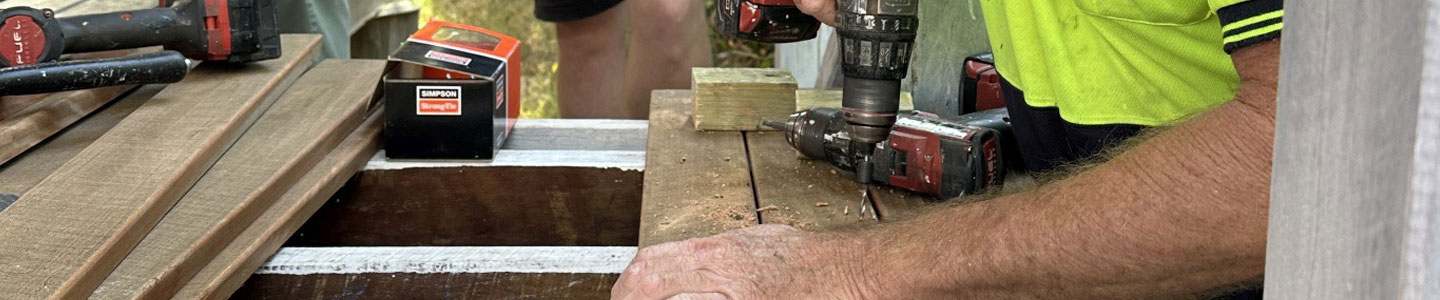
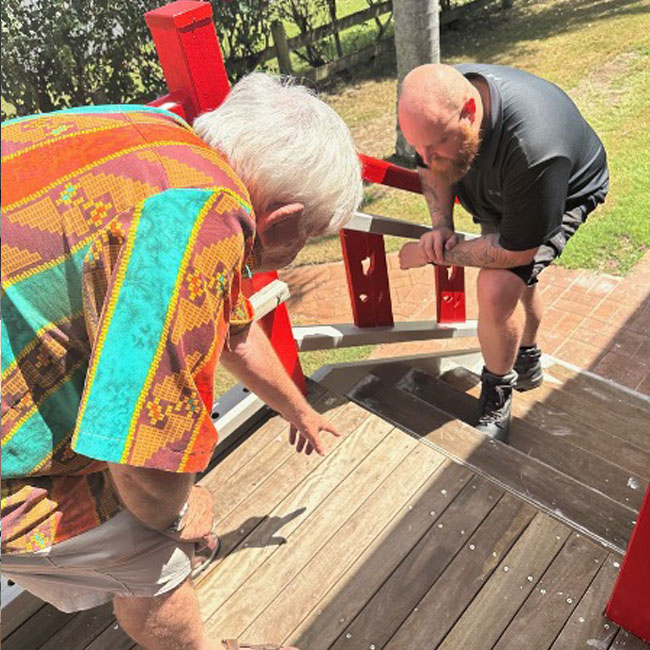
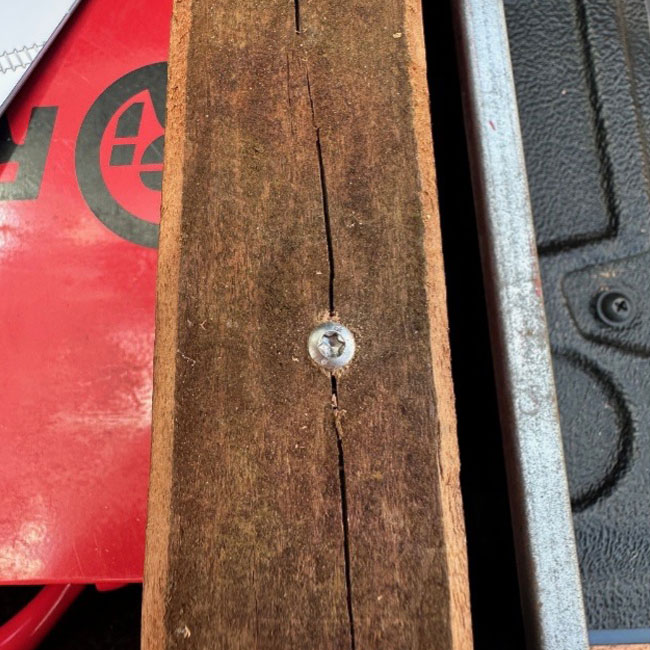
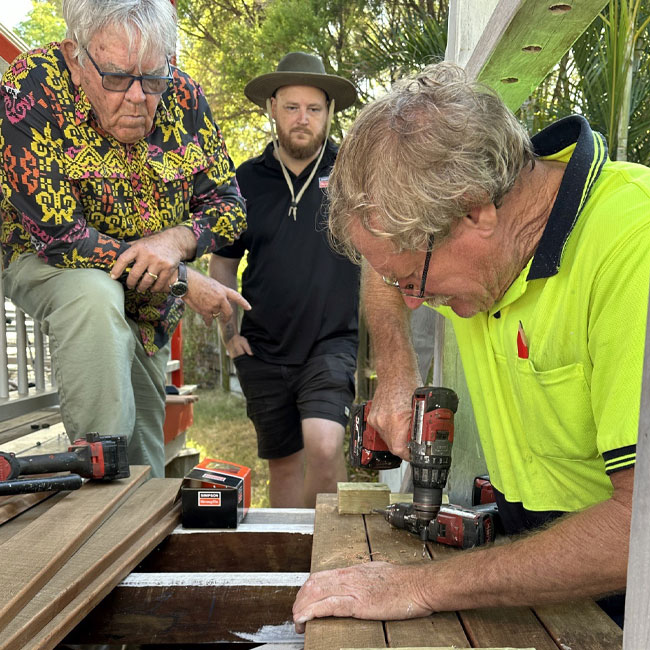
This came through in a field experience shared in the May 2026 edition of Timber With Ted. The builder was fixing decking into ironbark joists using stainless-steel screws that required several drilling steps before installation. Even with the additional preparation, some screws broke or the square drive stripped before the screws were fully seated.
It’s a good example of why decking screws should be selected to suit the timber and application rather than treated as a standard fixing.
1. Reducing Installation Steps
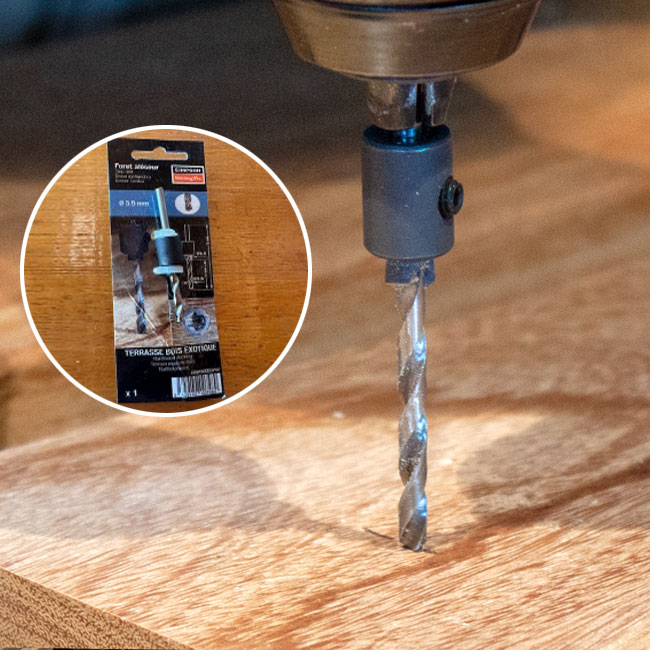
Depending on the timber species and screw being used, installation may require pre-drilling, creating clearance for the shank and countersinking the head.
Purpose-designed decking screws can incorporate features such as specialised points, under-head nibs and knurled shanks to reduce some of this preparation and help the screw drive and seat cleanly. For hardwood applications, products such as the Deck-Drive™ DSD Hardwood Screw and DSPRO Hardwood Screw are designed for specific timber and substrate combinations.
Pre-drilling may still be required, particularly with dense hardwoods. In the ironbark trial described in Timber With Ted, the screw drove into the timber readily, but the timber split, leading to a recommendation to pre-drill that particular application.
2. Drive Matters
The drive recess also affects installation.
In the original field example, the square-drive screws sometimes stripped before they were fully embedded.
A well-fitting 6-lobe drive provides positive engagement between the driver bit and screw. This can be particularly useful when driving longer screws or fixing into denser timber. Simpson Strong-Tie’s DSV and DHSD decking screws, for example, use 6-lobe drive systems.
3. Getting a Clean Finish
The screw head and shank design also influence how the fixing seats into the decking board.
Features such as under-head nibs, countersinking heads and knurled shanks are used on different decking screws to assist installation and produce a clean finish. The appropriate design depends on the decking material and substrate being fixed into.
This is particularly important with exposed decking, where the screw head remains visible across the finished surface.
Choosing the Right Screw
There isn't one decking screw that suits every application.
Softwood decking, hardwood decking and dense hardwood substructures can place very different demands on a fastener. Screw material, point design, drive type, head geometry and whether pre-drilling is required should all be considered before installation.
The experience reported in Timber With Ted is a useful example. A purpose-designed decking screw made the fixing process easier, but testing in ironbark also showed why the characteristics of the timber still need to be considered.
Choosing a screw that suits the application can reduce unnecessary installation steps and help achieve a cleaner, more consistent result. Simpson Strong-Tie offers a range of decking fasteners designed for different timber and fixing applications.
Source: Timber With Ted, May 2026, “Lesson – A Better Decking Screw Saved A Lot of Time”.
Installation note: Pre-drilling and countersinking may be necessary at board ends, butt joints and when working with denser materials. Follow the decking manufacturer's installation recommendations where applicable.
Structural Connections

Unmatched Quality from the Truss to the Foundation
With nearly 60 years of field and R&D experience, Simpson Strong-Tie® timber connectors are manufactured to the industry's highest standards. From framing angles to straps to heavy-duty joist hangers, we offer the most diverse product line so that you have the right product for the job.
Simpson Strong-Tie® connectors offer unmatched quality with laboratory and field testing, and are backed by our uncompromising commitment to customer service. As the company that built the connector industry, you can count on Simpson Strong-Tie® to work closely with builders, engineers and building officials to deliver innovative, building code-compliant solutions to help build safer, stronger structures economically. Download the Structural Connectors Overview Flyer.
Timber Connectors
From testing to service to availability, everything we do is engineered to ensure your project's success. With every product, you know you are getting the quality, value, service and on-time delivery that we have built our reputation on for the past 60 years.
From straps and ties to joist hangers and much more, Simpson Strong-Tie® structural connectors increase the strength and safety of timber-frame structures. Each connector is unique to Simpson Strong-Tie and is designed for specific applications without the need to adapt metal plating to suit a connection.
Steel Frame Connectors
From fully tested and engineered connectors and clips Simpson Strong-Tie® provides comprehensive structural solutions for cold-formed steel construction. From steel-to-steel connections to full-scale lateral solutions and curtain wall connectors, we remain committed to developing new technology that helps to advance the cold-formed steel industry.
Find out how Simpson Strong-Tie timber connectors can help you build the right way every day. Download the Cold-Fromed Steel Construction Connectors Catalogue.