The Evolution of the Helical Tie: From Innovation to Restoration
July 3, 2026
For decades, the construction industry faced a recurring nightmare: how to stabilize failing masonry without destroying the building’s aesthetic. The history of the helical tie is a story of moving away from "brute force" repairs toward a more elegant, engineered solution.
The Problem with the Past
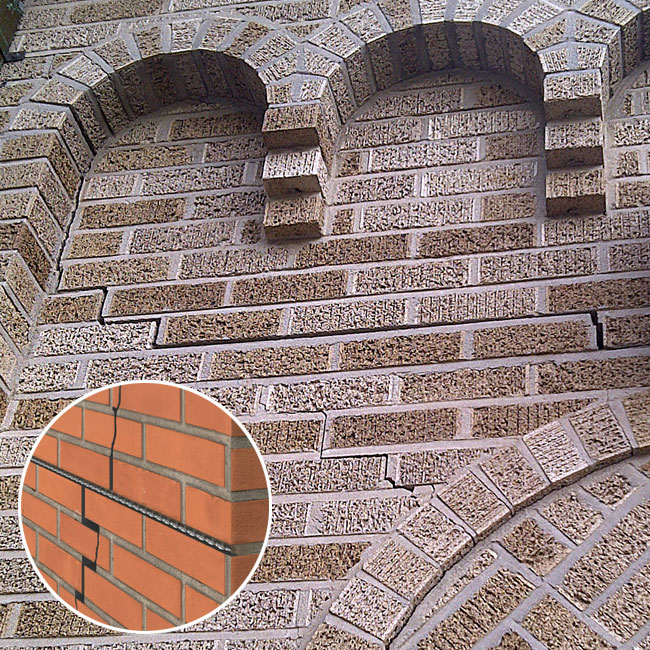
In the mid-20th century, the shift toward veneer construction introduced a hidden vulnerability. Exterior brick layers were tied to internal structures with mild-steel ties. Over time, these ties would corrode, leading to "rust-jacking" – where expanding rust actually cracks the brickwork – or total detachment of the façade.
Early remedial attempts were often as damaging as the problem itself. Contractors were forced to use heavy expansion bolts that exerted massive internal pressure, frequently shattering fragile, aged masonry.
A New Geometry: The Birth of the Twist
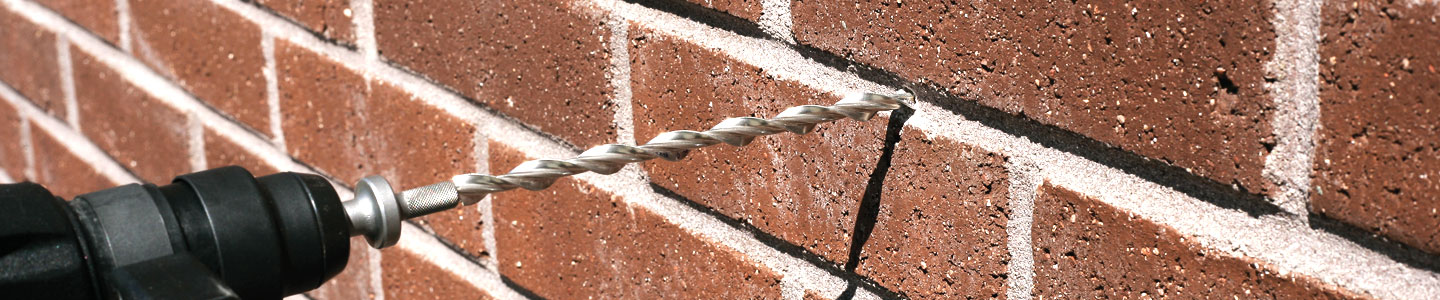
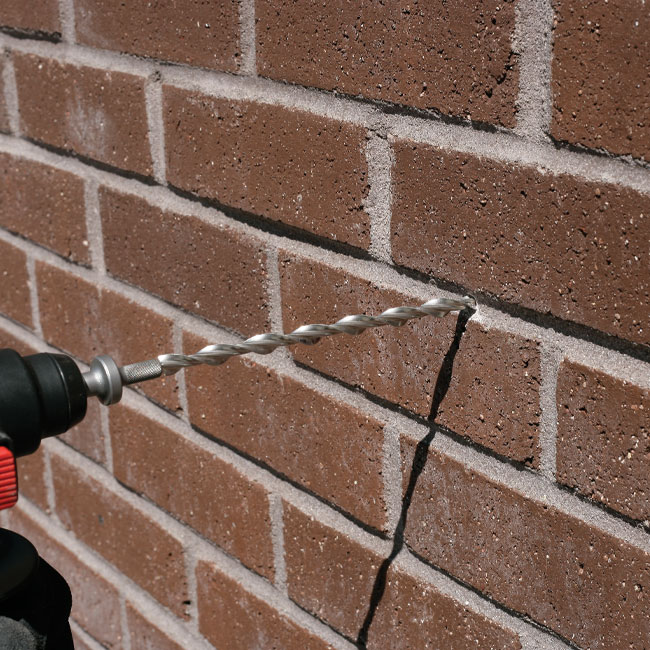
The breakthrough came with the introduction of the helical shape. By utilizing a "twisted" metal profile, engineers realized they could create a fastener that didn't rely on expansion or adhesives. Instead, it functioned more like a wood screw, "threading" its way into the substrate.
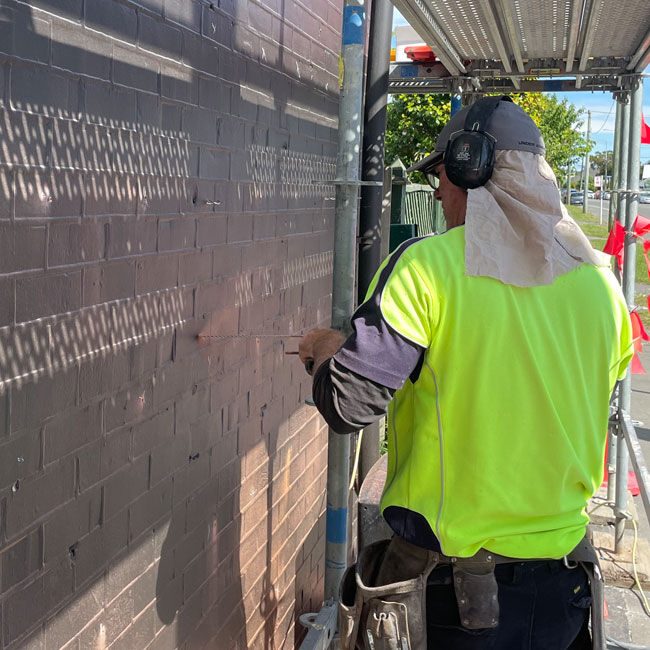
This innovation allowed for a smaller diameter hole and a significantly lower impact on the building. It turned a destructive repair into a surgical one.
The Modern Standard
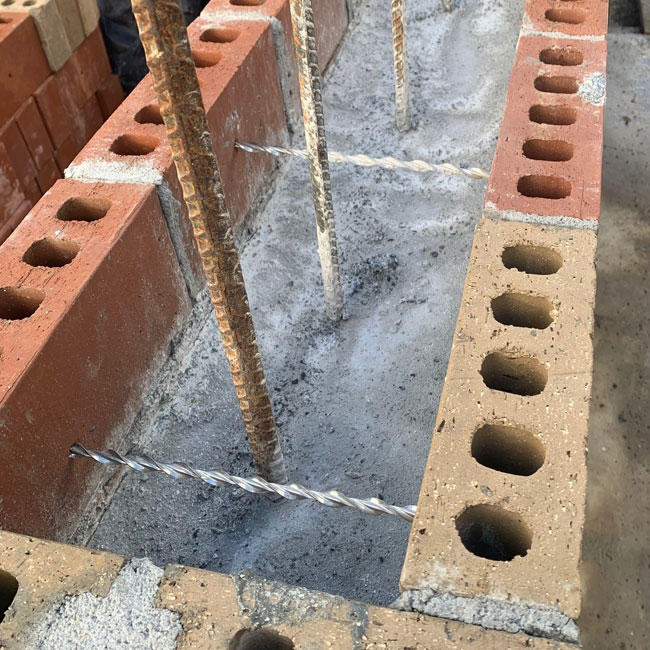
Today, the development has culminated in high-performance solutions like the Heli-Tie™ (Helical Wall Tie & Helical Stitching Tie). Manufactured from 304/316 Stainless Steel, these modern ties represent the peak of this evolution—offering a permanent, corrosion-resistant fix that respects the integrity of the original craftsmanship.
By looking back at the history of these systems, we see a clear trend: the best way to save the structures of the past is through the specialized technology of the future.
Structural Connections

Unmatched Quality from the Truss to the Foundation
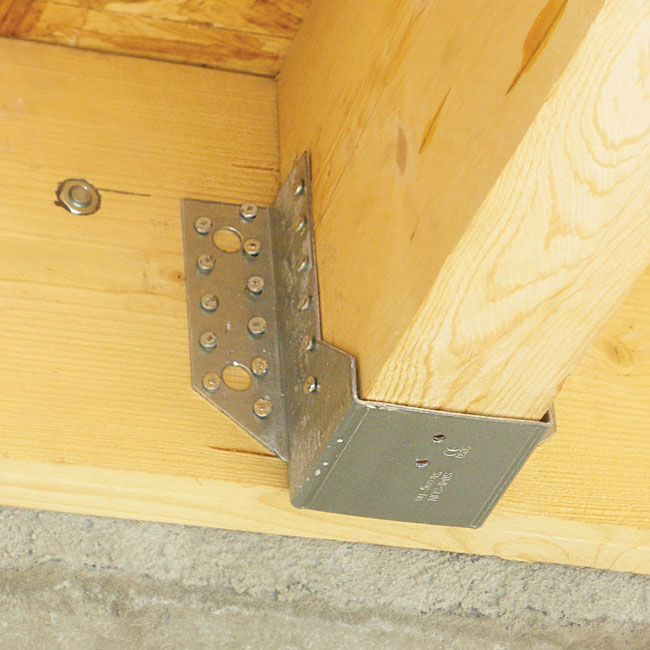
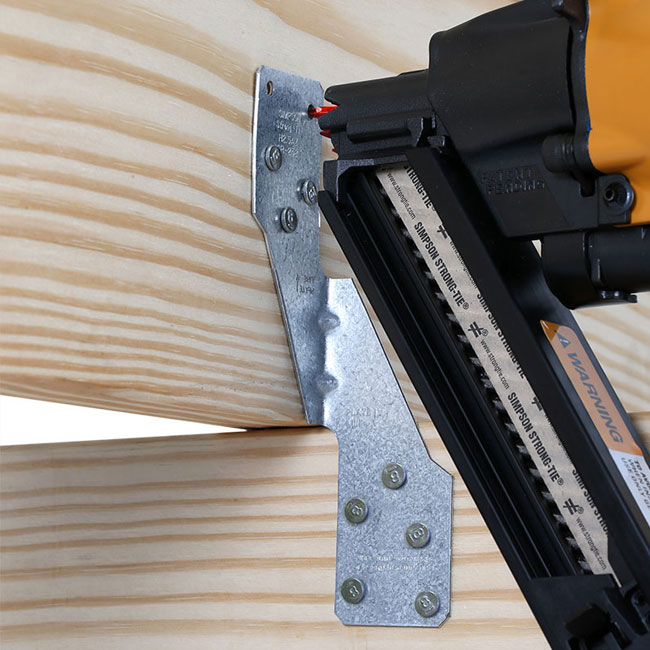
With nearly 60 years of field and R&D experience, Simpson Strong-Tie® timber connectors are manufactured to the industry's highest standards. From framing angles to straps to heavy-duty joist hangers, we offer the most diverse product line so that you have the right product for the job.
Simpson Strong-Tie® connectors offer unmatched quality with laboratory and field testing, and are backed by our uncompromising commitment to customer service. As the company that built the connector industry, you can count on Simpson Strong-Tie® to work closely with builders, engineers and building officials to deliver innovative, building code-compliant solutions to help build safer, stronger structures economically. Download the Structural Connectors Overview Flyer.
Timber Connectors
From testing to service to availability, everything we do is engineered to ensure your project's success. With every product, you know you are getting the quality, value, service and on-time delivery that we have built our reputation on for the past 60 years.
From straps and ties to joist hangers and much more, Simpson Strong-Tie® structural connectors increase the strength and safety of timber-frame structures. Each connector is unique to Simpson Strong-Tie and is designed for specific applications without the need to adapt metal plating to suit a connection.
Steel Frame Connectors
From fully tested and engineered connectors and clips Simpson Strong-Tie® provides comprehensive structural solutions for cold-formed steel construction. From steel-to-steel connections to full-scale lateral solutions and curtain wall connectors, we remain committed to developing new technology that helps to advance the cold-formed steel industry.
Find out how Simpson Strong-Tie timber connectors can help you build the right way every day. Download the Cold-Fromed Steel Construction Connectors Catalogue.